Blackberry Picking: From Bramble Scratches to Bramble Jam
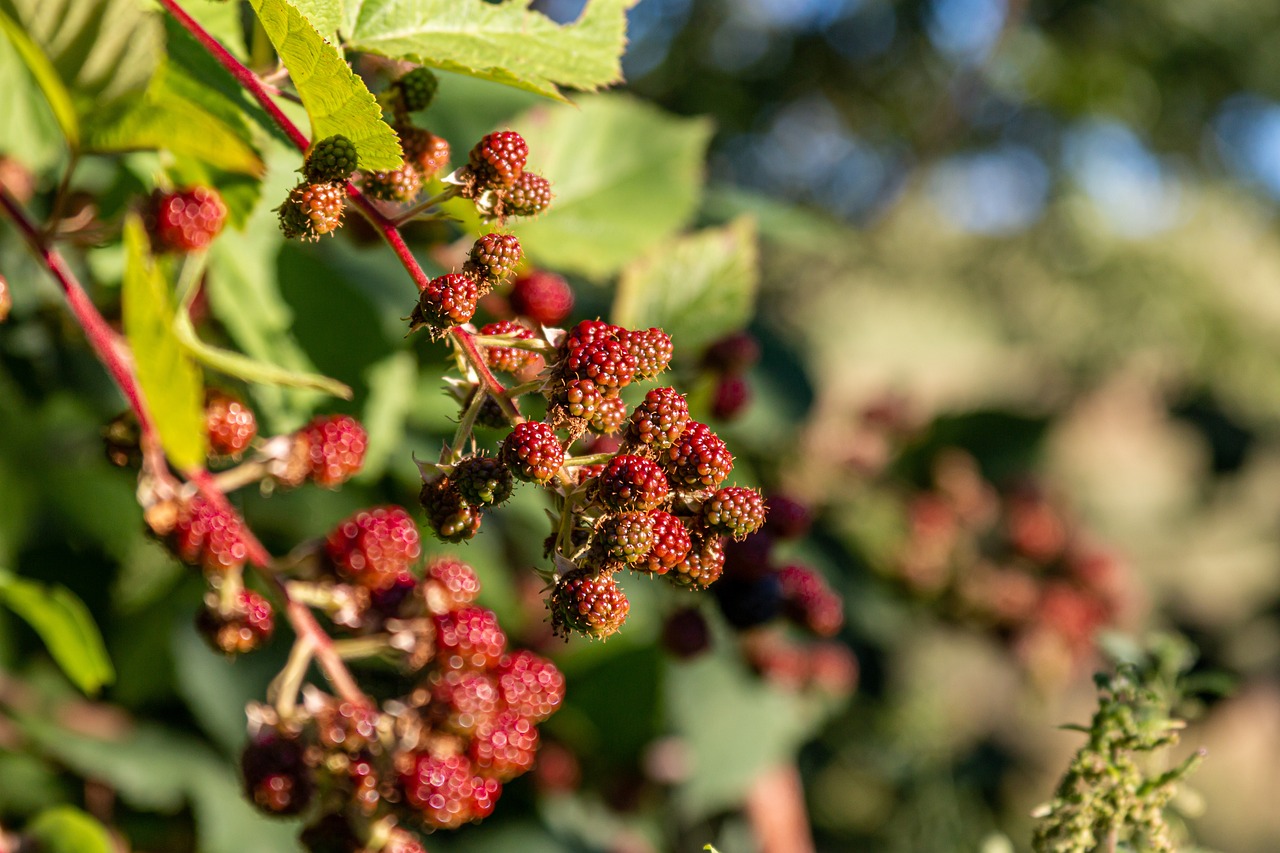
There is a particular smell to a bramble patch in late August: warm, dusty, faintly sweet, with an undertone of green. Blackberries ripen slowly over several weeks, so the same hedge will give you fruit in different stages of readiness, from hard red unripe berries to fat, glossy black ones that come away in your hand with a soft pop. Picking them is a ritual as much as a harvest, and the scratches are part of the deal.
The best blackberries are not always the ones at eye level. The biggest and juiciest often hang just out of reach, over a ditch or deep in the tangle, which is why a long stick with a hook can be useful. Wear long sleeves and trousers, and accept that your hands will be stained purple for a day or two. Pick only fully ripe berries, as underripe ones are tart and will not sweeten after picking. Avoid any growing low down where dogs might have been, and give them a good rinse when you get home.
Turning a Haul into Bramble Jam
Blackberry jam is one of the simplest preserves you can make, and it captures the flavour of late summer better than almost anything else. You will need equal weights of prepared fruit and sugar, plus a little lemon juice to help it set. Some people add a handful of windfall apples, grated, for their natural pectin, which is a good idea if your blackberries are very ripe.
Put the fruit in a large pan with a splash of water and the lemon juice, and simmer gently until the berries have collapsed and released their juice. This takes about ten minutes. Add the sugar, stirring over a low heat until it has completely dissolved, then turn up the heat and boil hard for ten to fifteen minutes. Test for set by putting a spoonful on a cold saucer and pushing it with your finger; if it wrinkles, it is ready. If not, boil for another few minutes and test again.
Pour into sterilised jars while hot, seal, and label. The jam will keep for a year or more in a cool, dark place. It is wonderful on toast, swirled into yoghurt, or used to fill a simple sponge cake. If you want something a little different, try adding a few sprigs of rosemary or a splash of port to the pan, or make a blackberry and apple crumble instead of jam if you prefer your fruit fresh.
Beyond Jam: Other Uses for Blackberries
Blackberries freeze beautifully. Spread them on a tray in a single layer, freeze until solid, then tip into bags. That way you can pull out a handful at a time for smoothies, crumbles, or a quick compote in the middle of winter. They also make a fine vinegar: cover the fruit with cider vinegar, leave for a few weeks, strain, and sweeten to taste. The result is a sharp, fruity dressing that is excellent on salads or drizzled over roasted vegetables.
If you have more berries than you know what to do with, a blackberry cordial is a lovely thing to have on the shelf. Simmer the fruit with sugar and a little water, strain, and bottle. Diluted with sparkling water or added to a glass of gin, it is a taste of the hedgerow in any season. And if you are feeling indulgent, a blackberry fool, made by folding stewed fruit through whipped cream, is about as good as pudding gets.
Blackberrying is not a tidy pursuit. You will come home with stained fingers, scratched arms, and perhaps a few insect bites. But you will also come home with a basket of fruit that tastes of sunshine and rain and the particular wildness of a late summer hedge. That is a fair trade.