The Beginner's Guide to Foraging Sloes for Gin
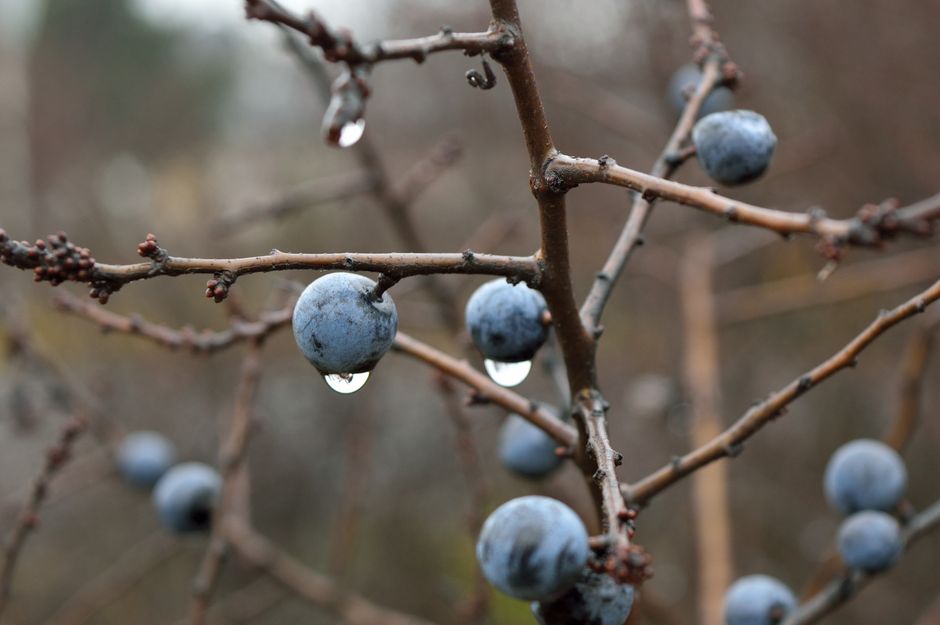
There is something deeply satisfying about a hedgerow haul. If you have ever walked a country lane in late September and spotted those dusty, indigo-black berries hanging thick on thorny branches, you have met the sloe. The sloe is the fruit of the blackthorn tree, and while it is far too astringent to eat straight from the bush, it is the undisputed champion of homemade liqueurs. Making sloe gin has become a seasonal ritual for foragers across the country, and for good reason. It is simple, rewarding, and turns a modest bottle of supermarket gin into something that tastes like liquid velvet.
The first rule of sloe foraging is patience. Sloes are technically ripe in autumn, but they are best picked after the first frost. The cold snap breaks down the tannins in the skin, softening that mouth-puckering sourness. If you are picking before the frosts arrive, do not worry. You can replicate the process at home by freezing your berries overnight. This is a trick most foragers use anyway, as it also helps the skins split and release their juice into the gin.
Identifying Blackthorn and Its Fruit
Blackthorn, or Prunus spinosa, is a shrubby tree that forms dense, impenetrable hedgerows. In spring, it is covered in clouds of tiny white flowers before its leaves appear, which is where the old saying about a blackthorn winter comes from. By autumn, those flowers have become small, round berries roughly the size of a large pea. They are a deep, hazy blue-black colour with a matte finish, and they grow on short stalks right against the wood.
The key identifying feature, apart from the fruit itself, is the thorn. Blackthorn has long, sharp spines that will happily draw blood if you are careless. Wear thick gloves and a long-sleeved jacket. Do not confuse sloes with damsons or bullaces, which are larger, plumper, and usually sweeter. If you are unsure, look for the thorns and the dusty bloom on the skin. A single berry squeezed between your fingers should feel firm, not soft or squishy.
From Hedgerow to Gin Bottle
Once you have your haul, the process is wonderfully straightforward. You will need a clean glass jar or bottle with a tight-fitting lid, your sloes, sugar, and a bottle of gin. A classic ratio is 500g of sloes, 250g of sugar, and 1 litre of gin, though you can adjust the sugar to your taste. Some foragers add a few drops of almond extract or a handful of cracked cherry stones to mimic the traditional flavour of almond, which is the hallmark of a good sloe gin.
Prick each sloe with a needle or give them a quick bash with the end of a rolling pin to break the skins. This is the tedious part, but it is essential. If you have frozen them, the skins will already be split, saving you the effort. Tip them into your jar, add the sugar, and pour over the gin. Seal the jar and shake it well. Store it in a cool, dark cupboard and shake it every day for the first week, then once a week for the next two months.
The waiting is the hardest part. Your sloe gin will be drinkable by Christmas, but it truly comes into its own after a year. The colour will deepen from a pale pink to a rich, ruby red, and the flavour will mellow from fiery and sharp to smooth and syrupy. Strain it through muslin or a coffee filter, bottle it, and label it with the date. It makes a wonderful gift, though you may find it hard to part with. And do not throw away the strained sloes. They are excellent stirred into stewed apples or baked into a rich chocolate cake.