Wild Mushroom Foraging: A Cautious Introduction to the Autumn Woods
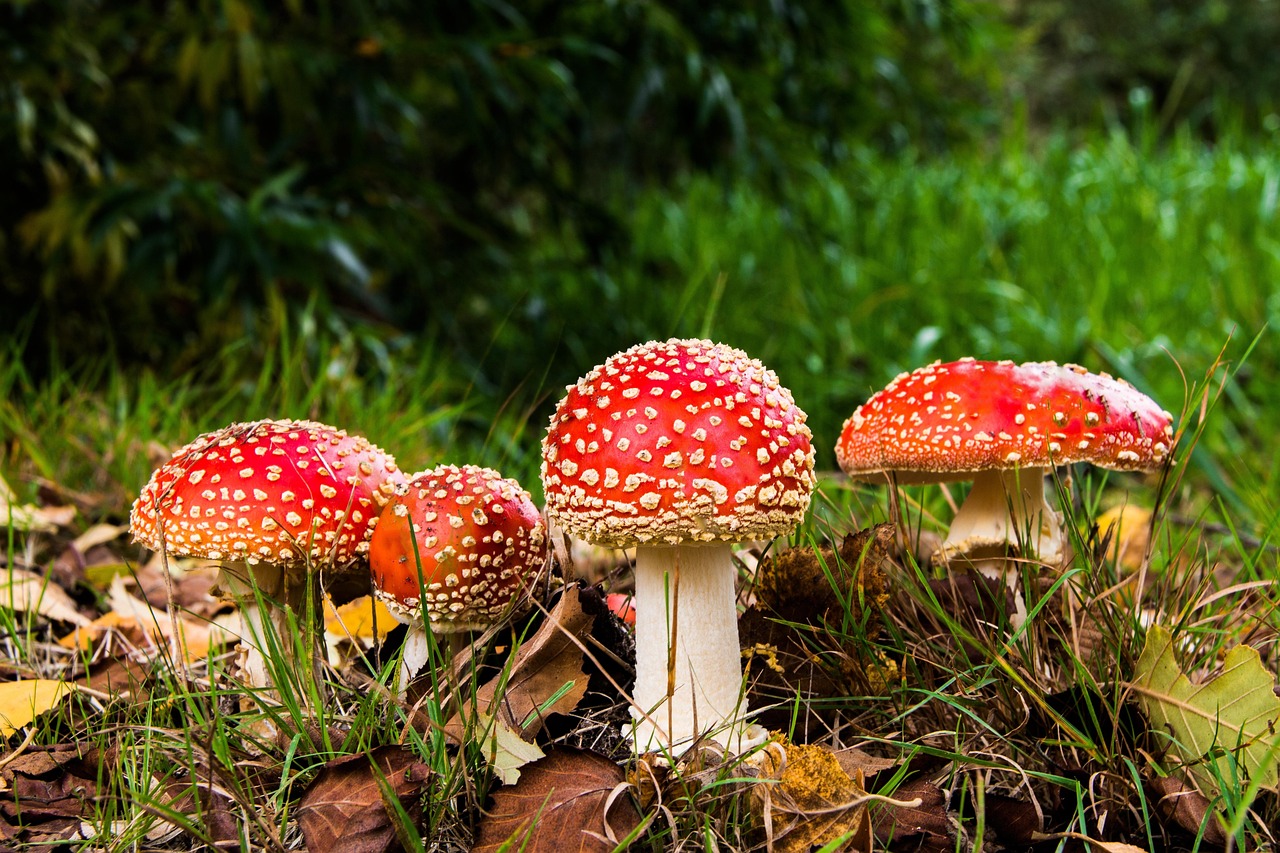
Mushroom foraging has a reputation for being either romantic or reckless, depending on who you ask. The truth is somewhere in between. The woods in autumn are full of fungi, and with a little care and a lot of humility, you can learn to identify a handful of species well enough to bring them home for supper. What you should not do is head out with a field guide and a hopeful attitude, picking anything that looks roughly like a picture.
The first rule is simple: if you are not one hundred percent certain, leave it. There is no mushroom worth a stomach upset, and some are far worse than that. The second rule is to learn from someone experienced if you can. A local foraging group, a mycological society, or a knowledgeable friend will teach you more in an afternoon than a book will in a season. The third rule is to start small. Choose two or three species that are common, distinctive, and have few dangerous lookalikes, and get to know them thoroughly before moving on.
Good First Species for the Cautious Forager
Among the safest starting points are the giant puffball, the hedgehog mushroom, and the chanterelle. Giant puffballs are exactly what they sound like: large, white, smooth spheres that can grow to the size of a football. When cut open, the flesh should be pure white and marshmallow-like, with no sign of gills or a developing stem. If it has begun to turn yellow or brown inside, it is past its best and should be left alone. Sliced and fried in butter, it has a mild, almost bready flavour that takes well to garlic and herbs.
Hedgehog mushrooms, also called pied de mouton, are distinguished by the small, soft spines on their underside rather than gills. They are apricot to pale orange on top, and they have a firm texture that holds up well in a pan. Chanterelles are golden, funnel-shaped, and have thick, blunt ridges running down the stem rather than true gills. They smell faintly of apricot and have a peppery, fruity flavour that is prized in kitchens. Both are relatively easy to recognise once you have seen them a few times, though chanterelles do have a toxic lookalike in the jack-o'-lantern, which grows in clusters on wood and glows faintly in the dark.
How to Pick and Cook with Respect
When you find a mushroom worth taking, cut it cleanly at the base with a knife rather than pulling it up, which disturbs the mycelium beneath the soil. Carry your finds in a basket or paper bag so they can breathe; plastic bags will make them sweat and turn slimy. At home, brush off any soil and debris with a soft brush or a damp cloth. Avoid washing mushrooms unless they are very dirty, as they soak up water like sponges.
Cook your mushrooms thoroughly. Even edible species can cause digestive trouble if eaten raw, and a good sauté in butter or oil brings out their flavour. Hedgehogs and chanterelles are excellent simply fried with shallots and thyme, then folded through pasta or piled on toast. Puffballs are lovely sliced thickly and cooked like a steak, or diced and added to a creamy sauce. If you are trying a species for the first time, eat only a small amount and wait a day before eating more, in case you have a sensitivity.
Foraging for mushrooms is less about filling a basket and more about learning to see. Once you start noticing them, the woods become a different place, full of quiet drama and strange beauty. Take your time, be honest about what you do not know, and the autumn woods will reward you.