Wild Garlic Pesto: A Springtime Staple
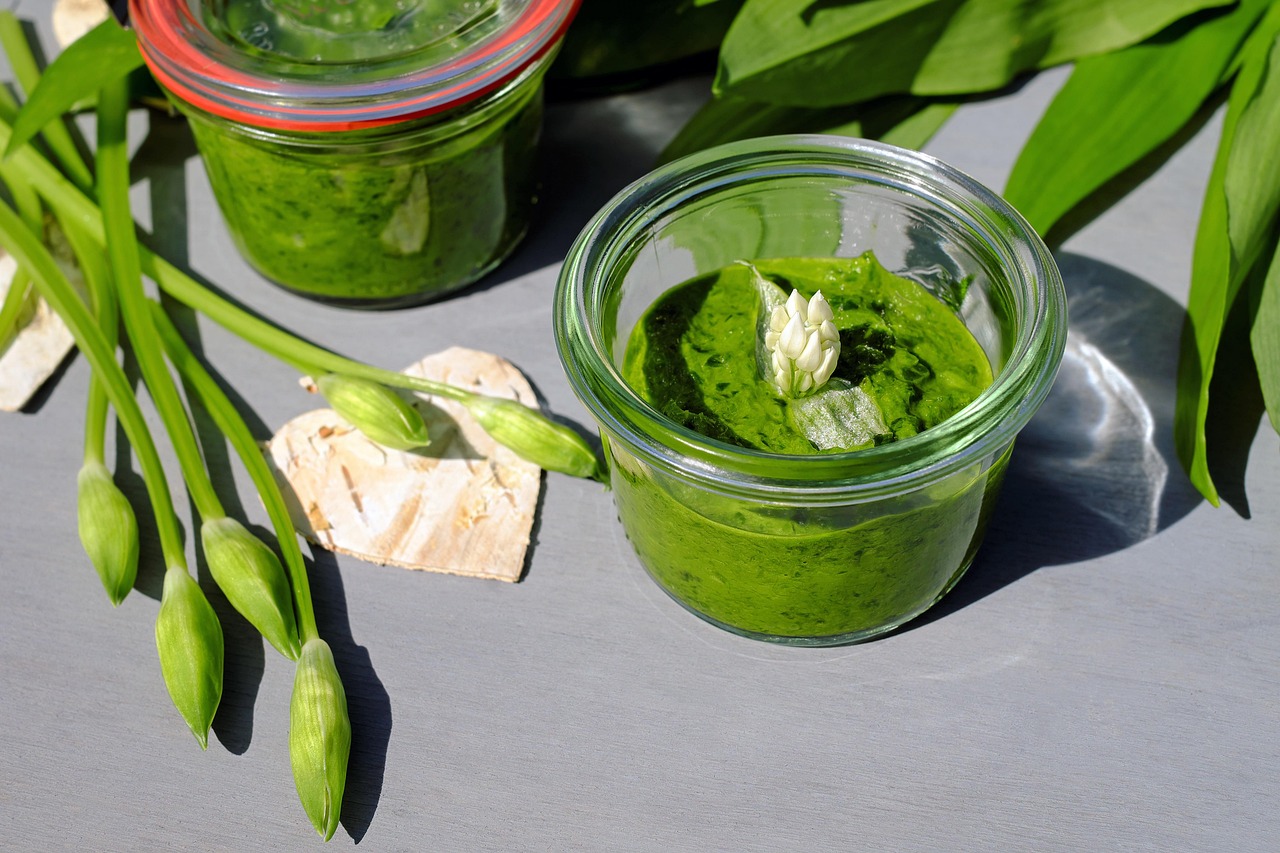
Come April, the damp woodland floor begins to smell faintly of onion and garlic before you even see the source. Wild garlic, also known as ramsons, is one of the most generous wild foods you can find. It carpets entire forest floors in glossy green leaves, and its pungent aroma makes it almost impossible to misidentify. For a forager, it is a gift. It appears just as the last of the winter stores are running out and the garden is still waking up. The leaves are versatile, but there is one recipe that captures the essence of the season better than any other: wild garlic pesto.
Unlike basil pesto, which relies on expensive pine nuts and a delicate herb, wild garlic pesto is robust, punchy, and forgiving. It is the kind of thing you can whizz together in five minutes and then stir through pasta, spread on toast, or swirl into soup. The flavour is fresh and green with a gentle garlic warmth that does not linger unpleasantly. It is spring in a jar, and it freezes like a dream, meaning you can enjoy a taste of the woods in the depths of winter.
Picking Wild Garlic Responsibly
When foraging for wild garlic, the golden rule is to pick only the leaves. The plant is easily recognised by its long, pointed, oval leaves and its distinctive garlicky scent. It produces delicate white star-shaped flowers in late spring, which are also edible and make a beautiful garnish. However, the leaves can be confused with those of lily of the valley or autumn crocus, both of which are toxic. The saving grace is the smell. If it does not smell strongly of garlic when you crush a leaf between your fingers, leave it alone.
Always pick from the centre of a large patch, leaving the outer leaves to photosynthesise and the plants to spread. Never uproot a wild garlic plant. Take only what you need, and avoid picking from areas where dogs are walked or where the plants may have been sprayed. A good handful or two is plenty for a jar of pesto. Wash the leaves thoroughly in cold water and dry them gently in a tea towel before you begin.
Making and Storing Your Pesto
The recipe is endlessly adaptable. The classic version uses wild garlic leaves, olive oil, Parmesan or a similar hard cheese, and nuts. Toasted pine nuts are traditional, but they are expensive. I often use sunflower seeds, walnuts, or even hazelnuts. They all work beautifully. For a vegan version, simply swap the cheese for nutritional yeast and add a pinch of salt.
Start by blitzing a large handful of washed wild garlic leaves with a handful of toasted nuts and a good glug of olive oil in a food processor. Pulse until you have a rough paste. Add a generous handful of grated cheese and pulse again. Taste it. You may want more oil, more cheese, or a squeeze of lemon juice to brighten the flavour. Season with salt and black pepper. That is it. No cooking, no fuss.
Transfer the pesto to a clean jar and pour a thin layer of olive oil over the top to seal it. It will keep in the fridge for a week or two. For longer storage, spoon it into ice cube trays and freeze. Once frozen, pop the cubes into a bag and use them straight from the freezer. A single cube stirred into a risotto or a bowl of minestrone is a small miracle in February. This pesto is also excellent on pizza, mixed into mashed potatoes, or thinned with a little pasta water to make a quick sauce for gnocchi. It is a taste of the wild that you can enjoy all year round.