The Quiet Joy of Foraging Nettles
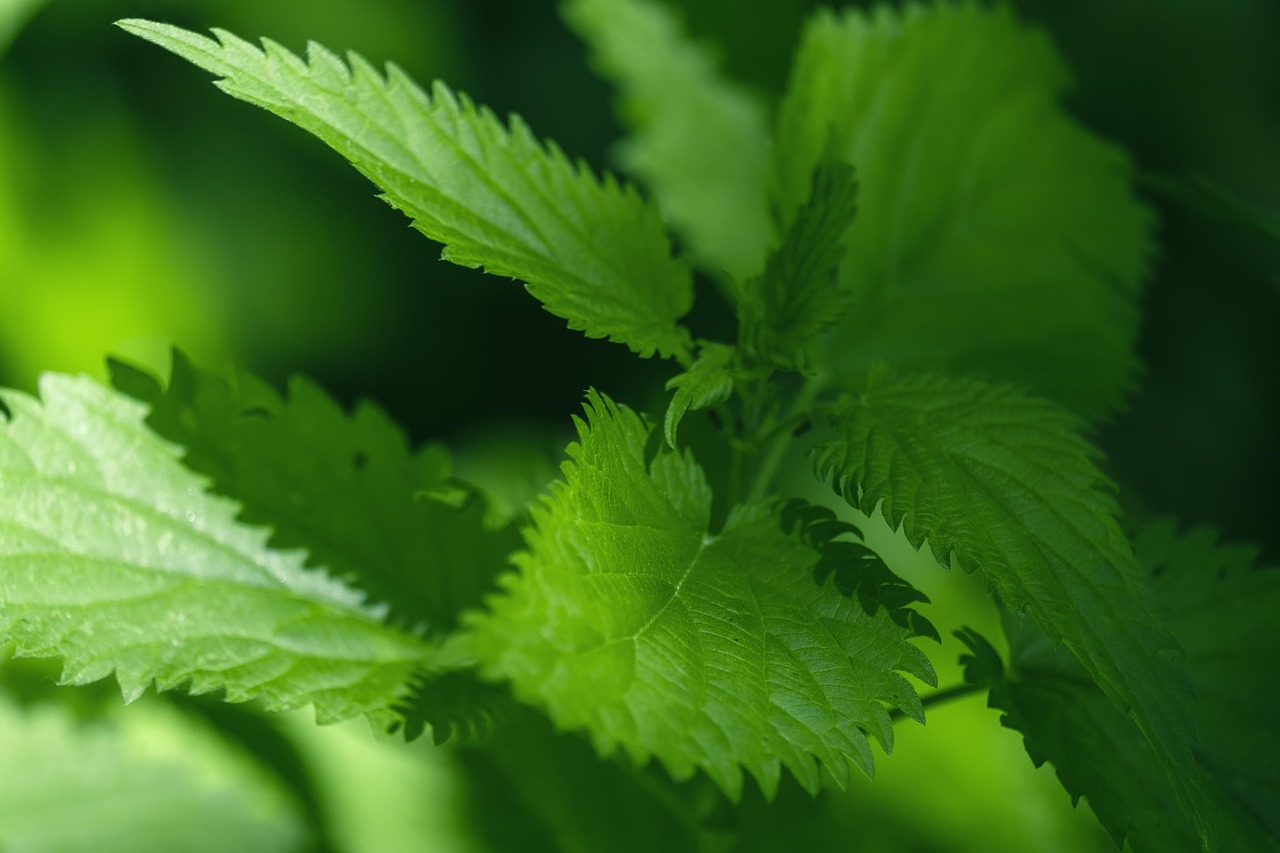
For many people, the stinging nettle is nothing more than a childhood menace. It lurks in gardens and parks, waiting to deliver a painful sting to bare legs. But for the forager, the nettle is a treasure. It is one of the first green things to appear in spring, often pushing through the cold ground before anything else has dared to show its face. It is abundant, easy to identify, and remarkably versatile. Once you learn to see past the sting, you will find that the nettle is one of the most useful plants in the wild larder.
The key to working with nettles is to understand the sting. The leaves and stems are covered in tiny, hollow hairs that act like hypodermic needles. When you brush against them, the tip breaks off and injects a cocktail of histamine, formic acid, and other irritants. The sting is unpleasant, but it is also easily neutralised. Cooking, blanching, or even just crushing the leaves will destroy the sting, making them perfectly safe to eat. You can also pick them with gloves, and once they are washed and cooked, they are completely harmless.
When and How to Harvest Nettles
The best time to pick nettles is in early spring, before the plant flowers. Once the flowers appear, the leaves begin to develop gritty particles called cystoliths, which can irritate the kidneys. You can still eat them, but they are not as pleasant. Look for the bright green, tender tops of young plants. The older leaves further down the stem are tough and stringy. Pinch off the top two or three pairs of leaves, using gloves to protect your hands. A pair of thick gardening gloves is ideal, but even a plastic bag wrapped around your hand will do in a pinch.
Always pick from clean areas, away from roadsides and places where dogs are walked. Nettles are often found in abundance on waste ground and along hedgerows, so you will have no shortage of options. Take only what you need, and leave the rest for the wildlife. Nettles are an important food source for many species of butterfly and moth, so do not strip a patch bare. A few handfuls of tops will be more than enough for a meal or two.
From Sting to Supper
Once you have your nettles, the first step is to wash them well in cold water. You do not need to remove the stalks unless they are particularly thick. Then, blanch them in boiling water for a minute or two. This will wilt them down and destroy the sting. Drain them and squeeze out the excess water. You now have a ball of cooked greens that can be used in a hundred different ways.
Nettle soup is the classic. Sweat an onion and a potato in butter, add a litre of stock, and simmer until the potato is soft. Add your blanched nettles and cook for another few minutes. Blend until smooth, season with salt and pepper, and finish with a swirl of cream or a drizzle of good olive oil. It is a vibrant, deeply savoury soup that tastes of spring.
But nettles are not just for soup. They can be used anywhere you would use spinach. Stir them into pasta, fold them into omelettes, or bake them into a quiche. They make an excellent pesto, similar to wild garlic pesto but with a more earthy flavour. You can also dry them and use them to make a nourishing herbal tea. Nettle tea is rich in minerals and has a mild, grassy flavour that is surprisingly refreshing. To dry them, hang small bunches upside down in a warm, airy room until they are crisp, then crumble the leaves into a jar. A spoonful of dried nettles in a teapot, covered with boiling water and left to steep for five minutes, makes a fine cup of tea. It is a small, quiet ritual that connects you to the season, long after the nettles have died back.