Foraging for Elderflowers: Cordial, Fritters, and Fizz
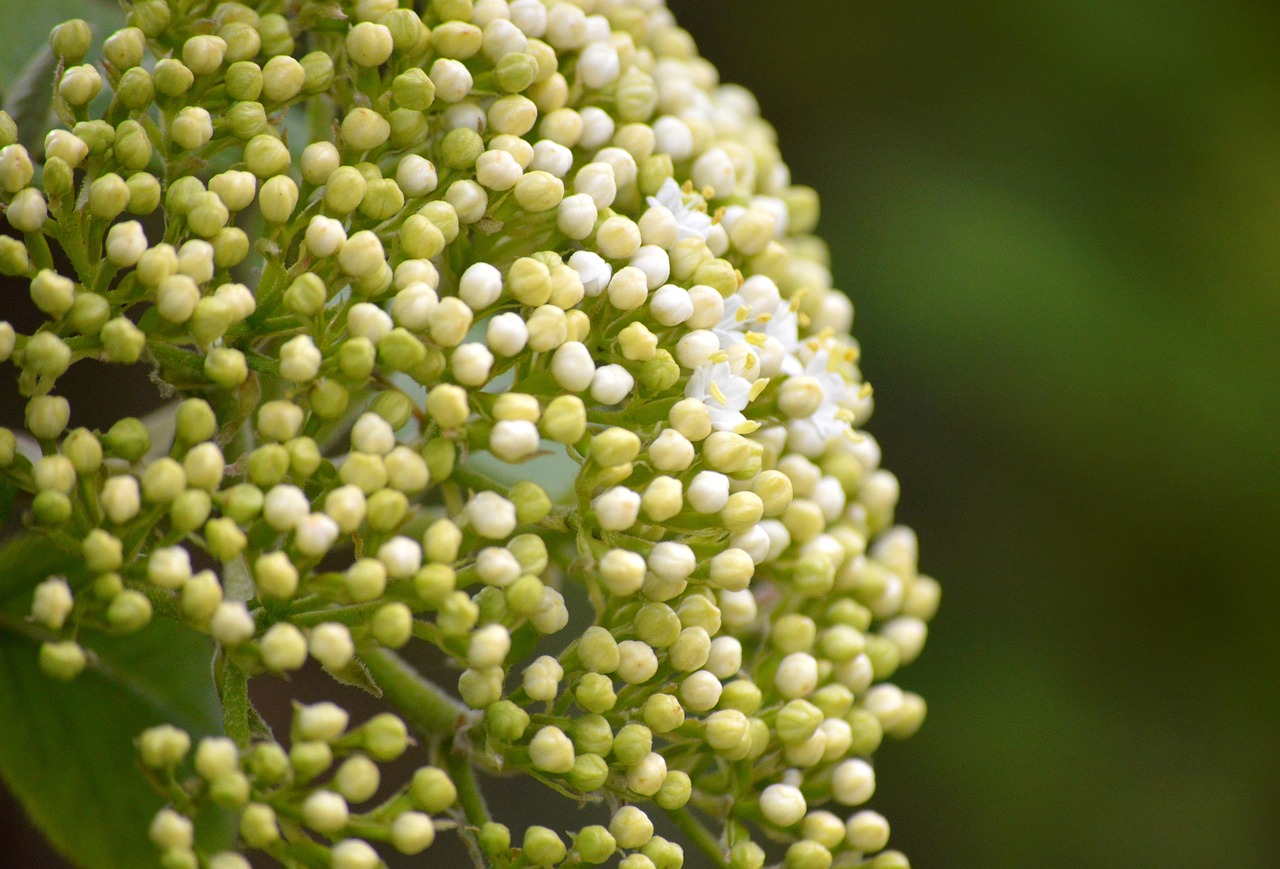
There is a fleeting moment in early summer when the hedgerows are frothy with creamy-white blossoms. This is elderflower season, and it is short. You have perhaps two or three weeks to catch the flowers at their peak, when they are fully open and heavy with pollen. Miss it, and you will be waiting another year. For those who do catch it, the rewards are extraordinary. Elderflowers have a heady, muscat-like fragrance that translates beautifully into drinks, desserts, and even savoury dishes.
The elder tree is a common sight in hedgerows, woodland edges, and waste ground. It is a scruffy, unassuming tree for most of the year, but when it blooms, it demands attention. The flowers grow in large, flat-topped clusters called umbels, each one made up of hundreds of tiny, star-shaped blossoms. They are followed in autumn by dark purple elderberries, which are also useful, but that is a story for another season.
Identifying and Harvesting Elderflowers
The elder tree has distinctive leaves that are pinnate, meaning they are made up of several smaller leaflets arranged opposite each other on a central stem. The leaves have a slightly unpleasant, grassy smell when crushed, which is quite different from the sweet perfume of the flowers. The bark is grey-brown and often cracked and corky on older trees. When you find a tree in bloom, take a moment to confirm it is elder and not something else. The flowers should smell sweet and floral, never unpleasant.
Harvest the flower heads on a dry, sunny day, ideally in the late morning after the dew has dried but before the heat of the afternoon. This is when the pollen is most abundant and the fragrance is at its peak. Use scissors to snip the whole head from the branch, leaving a short stalk. Do not wash the flowers, as you will wash away the pollen and much of the flavour. Instead, give them a gentle shake to dislodge any insects. A word of caution: always avoid picking elderflowers from busy roadsides, where they may be covered in dust and exhaust fumes. And never pick from a tree that has been sprayed with pesticides.
Three Ways to Use Your Harvest
The most popular use for elderflowers is cordial. It is incredibly simple. Dissolve a kilogram of sugar in a litre of water over a low heat, then pour the hot syrup over a dozen or so flower heads in a large bowl. Add the zest and juice of two lemons, and a tablespoon of citric acid if you want it to keep longer. Cover and leave for 24 to 48 hours, stirring occasionally. Strain through muslin, bottle, and dilute with sparkling water for a refreshing summer drink. It also makes a wonderful cocktail base.
For something a little different, try elderflower fritters. Dip the whole flower heads in a light batter made from flour, a little cornflour, and sparkling water. Fry them briefly in hot oil until golden and crisp. Drain on kitchen paper and dust with icing sugar. They are delicate, sweet, and taste like summer. Serve them immediately, as they do not keep.
Finally, if you are feeling adventurous, make elderflower fizz. This is a traditional fermented drink that captures the natural yeasts on the flowers. You will need elderflower heads, sugar, lemon juice, and water. The process is similar to making cordial, but instead of straining and bottling immediately, you leave the mixture to ferment in a sterilised bucket for a few days until it starts to bubble. Bottle it in sturdy plastic bottles and leave for a week or two until it is fizzy and lightly alcoholic. It is a living, unpredictable drink, but when it works, it is utterly delicious. Always use plastic bottles, as glass can explode under pressure. And always open the bottles over a sink, as the fizz can be explosive.