Dandelion: The Weed That Keeps on Giving
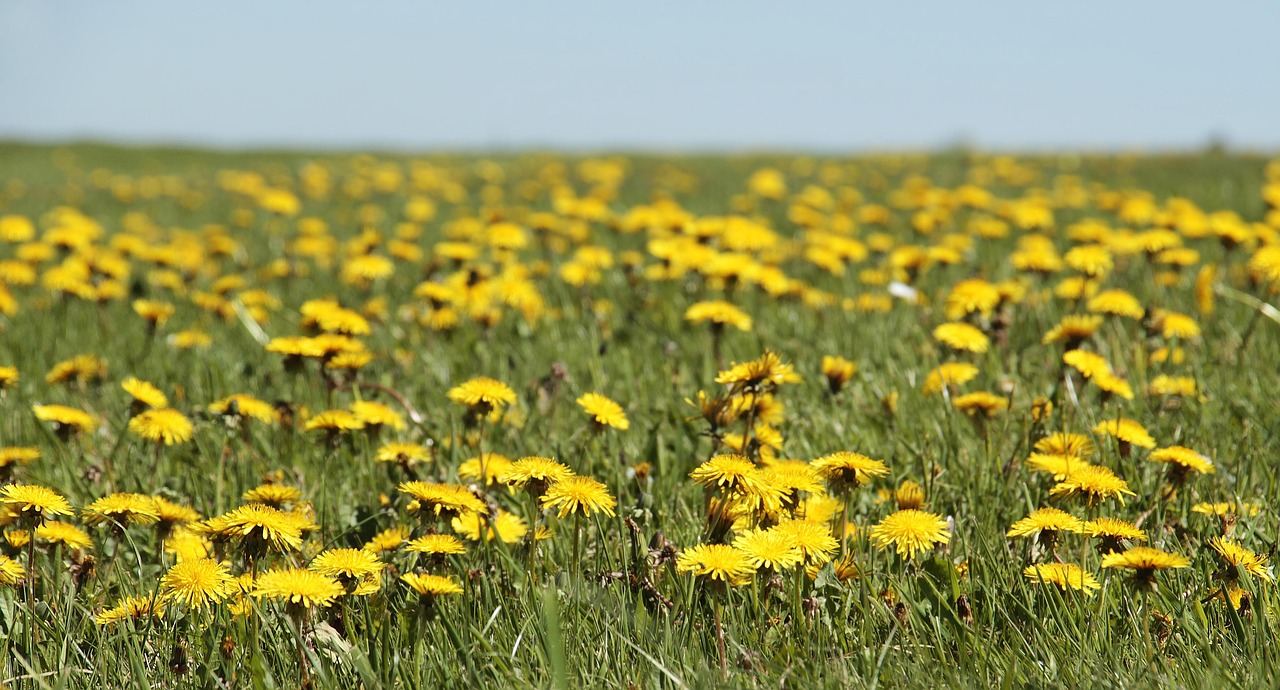
Dandelions are the first wild food most of us meet, usually as children blowing the seed heads or holding a buttercup under a chin. As adults, many of us learn to see them as weeds, a nuisance in the lawn, a sign of neglect in the flowerbed. But for the forager, the dandelion is a generous plant. Every part of it can be eaten or used, and it grows almost everywhere, which makes it a good place to start if you are new to foraging.
The key with dandelions is timing. The leaves are at their best in early spring, before the plant flowers, when they are tender and only mildly bitter. Once the flower buds appear, the leaves turn tough and the bitterness intensifies. The flowers themselves are best picked on a sunny morning when they are fully open, and the roots are dug in late autumn or early winter, when the plant has stored its energy below ground.
Leaves, Flowers, and Roots in the Kitchen
Young dandelion leaves are a classic salad ingredient in many parts of Europe. They have a pleasant, slightly bitter bite that works well with something rich or salty: a few rashers of bacon, a soft-boiled egg, a handful of croutons, a mustardy dressing. If the bitterness is too much for you, blanch the leaves for a minute in boiling water and then refresh them in cold water. This takes the edge off and makes them milder. They can also be wilted in a pan with garlic and olive oil, or stirred into a soup at the last minute.
Dandelion flowers are surprisingly sweet. The petals can be pulled from the green base and used to make a bright yellow syrup, a country wine, or a batch of dandelion fritters. For fritters, dip whole flower heads in a simple batter and fry them until golden. They are crisp and faintly honeyed, and they look beautiful on a plate. Dandelion syrup, made by steeping the petals in hot water, straining, and reducing with sugar, is lovely drizzled over pancakes or stirred into a glass of sparkling water.
The roots are the most underrated part. Roasted and ground, they make a caffeine-free coffee substitute with a deep, nutty, slightly bitter flavour. Scrub them well, chop them into small pieces, and dry them in a low oven or a dehydrator until they are brittle. Then roast them in a dry pan until dark and fragrant, and grind them in a spice grinder. Steep a spoonful in hot water for a few minutes, and you have a drink that is earthy and warming, especially with a splash of milk.
Foraging Dandelions Responsibly
Because dandelions grow so freely, it is tempting to pick them from any patch of grass you pass. But you need to be careful about where you gather. Avoid roadsides, where exhaust fumes settle on the leaves, and avoid any area where weedkiller might have been used. Parks and playing fields are often sprayed, so it is worth asking before you pick. Your own garden, if you have one and have not treated it, is ideal, as are quiet footpaths and meadows away from traffic.
Pick only from clean, healthy-looking plants, and take no more than you need. Leave the deepest part of the taproot in the ground so the plant can regrow. And if you are digging roots, fill in the hole afterwards so you do not leave a trip hazard.
Dandelions are a reminder that abundance is often right under our feet. They ask nothing of us, they grow without encouragement, and they offer food, drink, and medicine in every season. The least we can do is learn to use them well.