Rosehip Season: Foraging, Syrup, and Winter Warmth
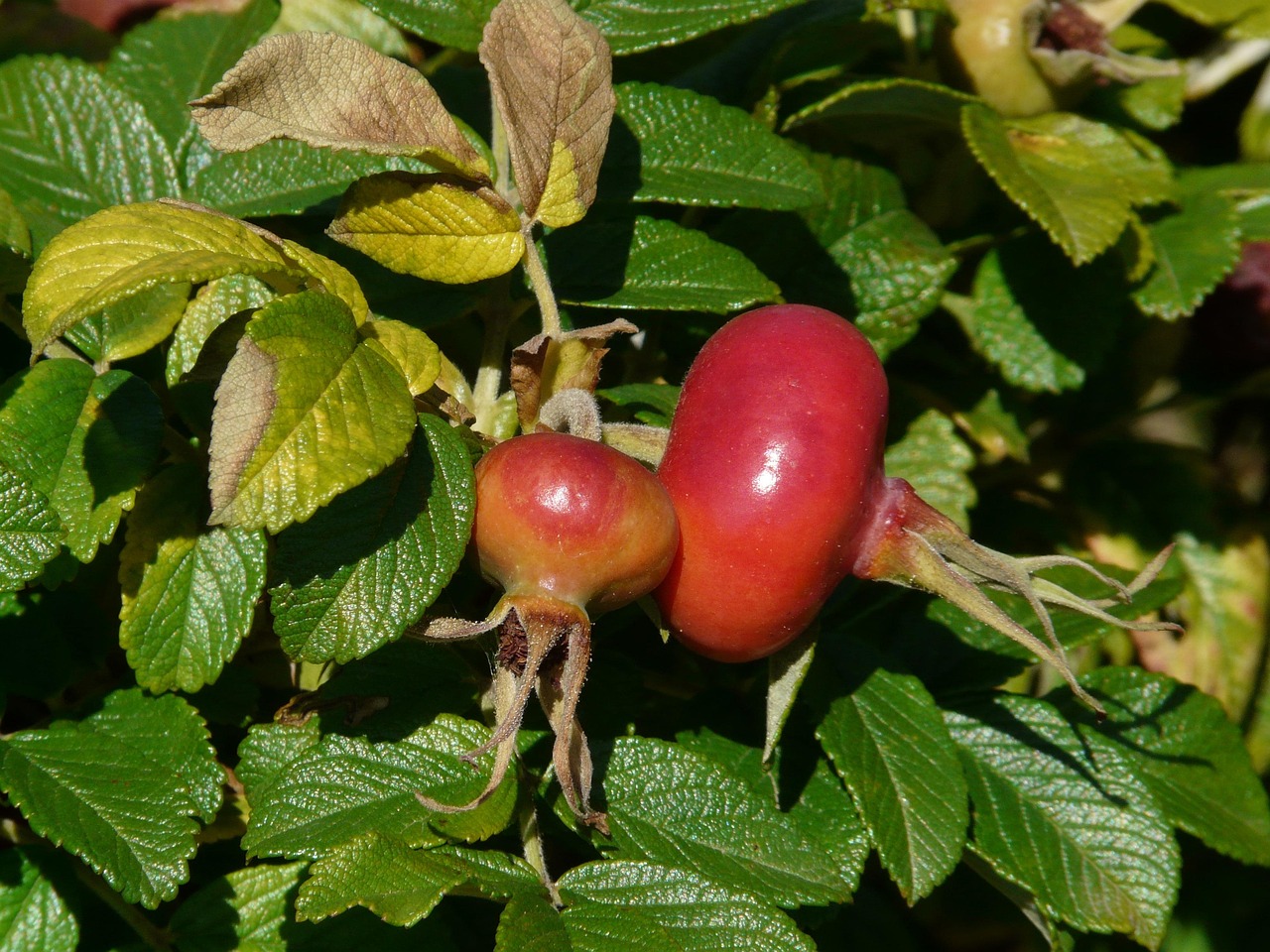
There is a particular kind of afternoon in late autumn when the hedgerows seem to glow. The leaves have thinned, the light comes in low and golden, and suddenly you notice them everywhere: rosehips, hanging in clusters like small glass beads, some scarlet, some deep orange, occasionally blushed with a darker red. They are the fruit of wild roses, and they are one of the most rewarding things a forager can gather.
Rosehips are best picked after the first cold snap. The frost is said to soften them and improve the flavour, though you need to use them fairly soon after picking, as they do not keep long once off the bush. Look for hips that are firm and brightly coloured, avoiding any that are shrivelled, mouldy, or soft to the touch. A good pair of gloves is sensible, since the stems are armed with small thorns that seem designed to catch the unwary. I like to carry a shallow basket rather than a bag, so the hips do not bruise or crush under their own weight.
Preparing Rosehips Without the Itch
The one thing everyone warns you about with rosehips is the fine, hairy seeds inside. Those little hairs were once used as itching powder, and if you get them on your skin or, worse, in your throat, you will understand why. This is why rosehips are almost never eaten raw in any quantity. For syrup, though, the process is forgiving: you simply need to strain well.
Rinse your hips, then top and tail them with a small knife, cutting away the stalk and the dried blossom end. You can leave them whole for syrup. Put them in a pan with just enough water to cover, bring to a gentle simmer, and cook until the hips are soft and the liquid has taken on a deep orange colour. This takes around twenty to thirty minutes. Then mash them lightly with a potato masher and leave the whole lot to steep overnight, covered, in a cool place.
The next day, strain the mixture through a double layer of muslin or a jelly bag. Do not be tempted to squeeze the bag, or you will push those tiny hairs through and end up with a syrup that catches in the throat. Let it drip slowly. What you are left with is a beautiful, clear liquid that tastes of autumn sunshine and something faintly floral.
Making and Using Rosehip Syrup
To turn the liquid into syrup, measure it and add roughly half its volume in sugar. Heat gently, stirring until the sugar dissolves, then bring to a brief boil and pour into sterilised bottles or jars while still hot. The syrup will keep for several months in a cool, dark cupboard, and longer in the fridge once opened.
Rosehip syrup is wonderfully versatile. A spoonful stirred into hot water with a slice of lemon makes a comforting drink on a grey afternoon. It is lovely drizzled over yoghurt, porridge, or vanilla ice cream, and it can be used to sweeten a poached pear or a simple sponge. Some people add it to cocktails in place of grenadine, where its tart, fruity notes work beautifully with gin or dark rum. If you are feeling ambitious, you can also make a rosehip vinegar or a rosehip and apple jelly using the same basic method.
What I love most about rosehip syrup is that it feels like a small act of defiance against the short days. A jar of it on the shelf is a reminder that the hedgerow gave generously in October, and that there is still brightness to be found in January.